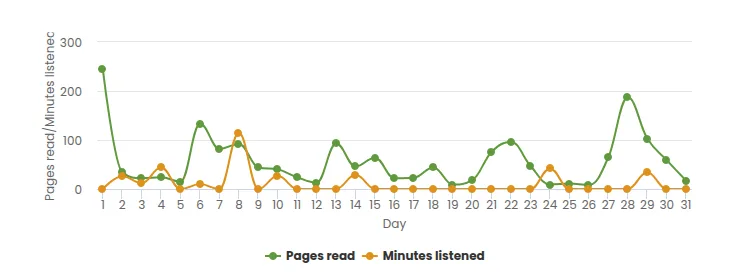
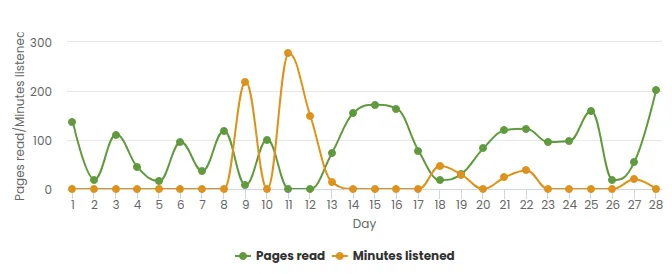
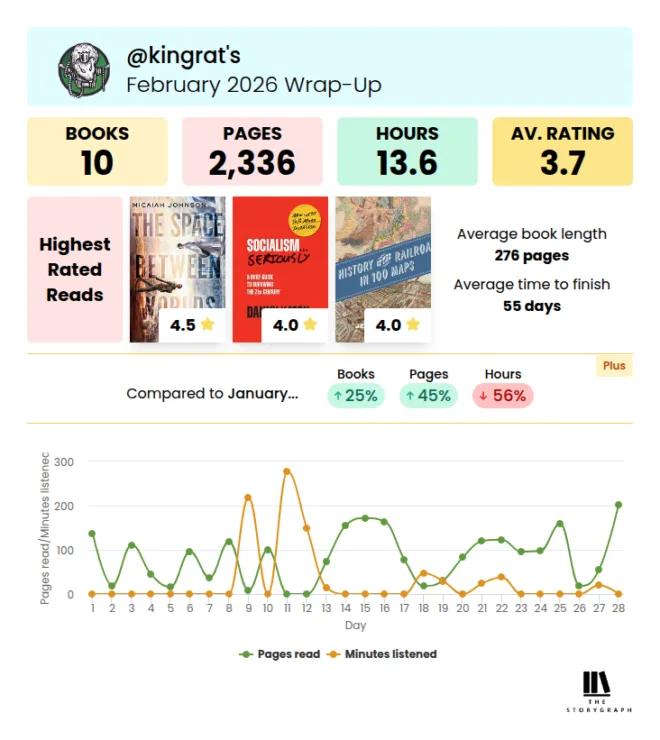
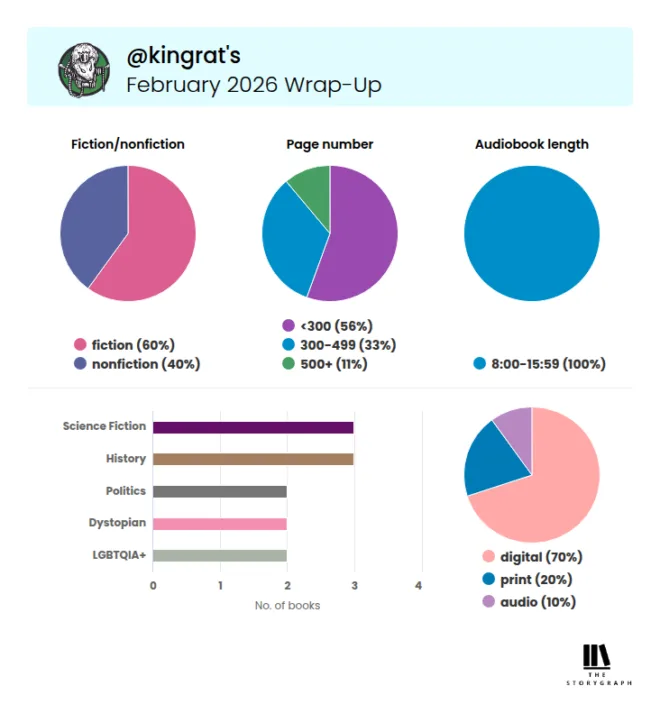
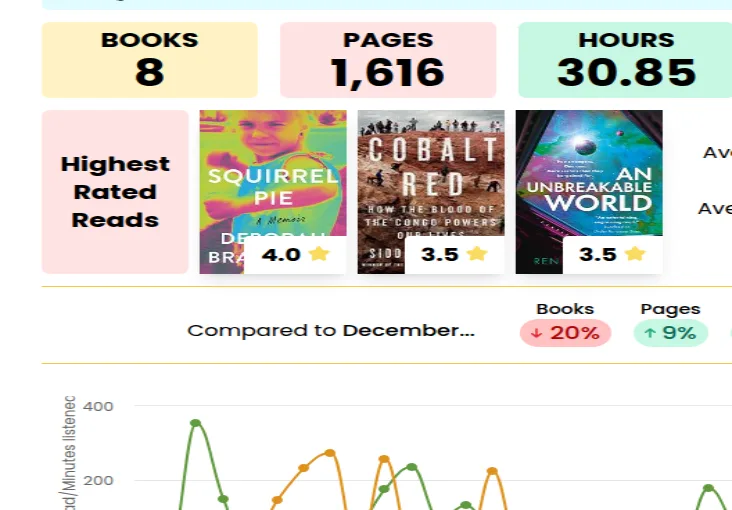
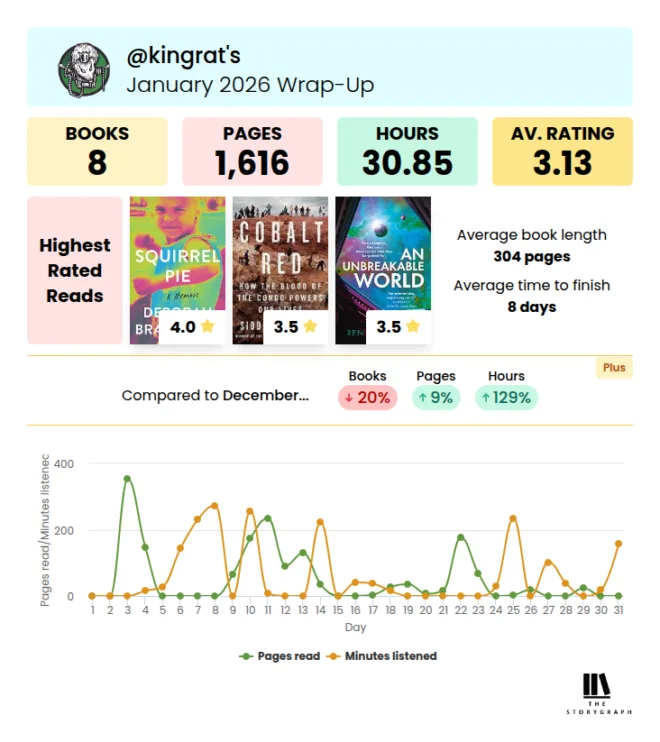
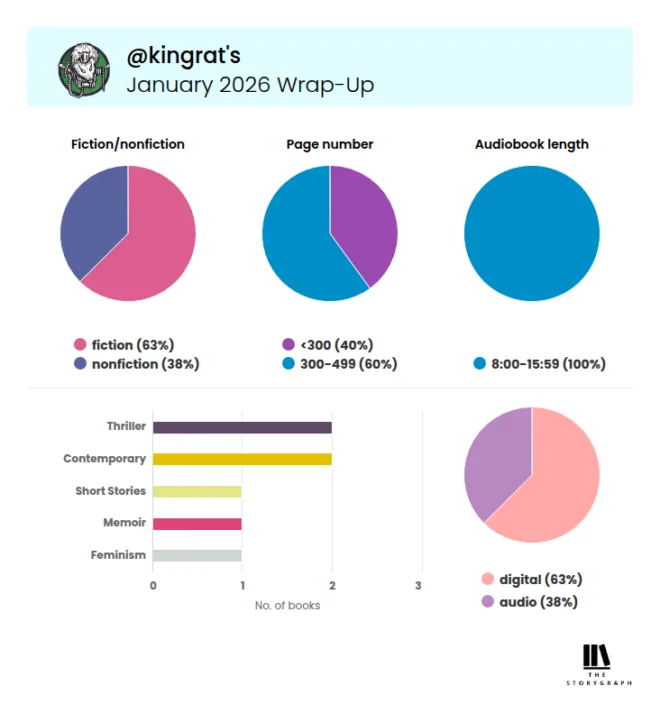
I got a lot read in April!
The Power Broker by Robert A. Caro

A bookstop biography that won the Pulitzer Prize, it traces the life of Robert Moses from budding reformer to ruthless corrupt power broker and back down the ladder to out-of-favor retiree. Read because Robert Moses did more to set the U.S. up for car dependency and where we are in the global climate crisis than possibly any other single person in history. Highly recommended.
City of Illusions by Ursula K. Le Guin

One of Le Guin’s earlier works. I hate to write it because it’s Le Guin, but the premise is pretty uninteresting: what if the aliens who conquered Earth lied about everything. Maybe they don’t have unlimited power. Maybe they’re playing you when you visit their capital.
Elite Capture by Olúfẹ́mi O. Táíwò

I am not the audience for this jargon filled work that is mostly theory, with a bit of history. The subtitle is a bit misleading too. Táíwò’s idea is that elite capture is inherent in most systems.
The Vanishing Half by Brit Bennett

The beginning of this was a little weird: two light-skinned Black twins in a town of light-skinned Black people that venerates being light-skinned run away to New Orleans. Once there, one marries a dark-skinned Black man, but eventually leaves him and returns home with their child. The other learns she can pass as white, disappears and is not heard from for decades. Although the story starts with them, it doesn’t pick up steam until it delves into the lives of the twins’ children who have a chance encounter in Los Angeles. From then on out, this blew me away. No pat answers in the book.
The Woman in the Strongbox by Maureen O’Hagan

A Kindle Single freebie, and I got what I paid for. It reads as true crime, but there’s no real crime. Just a woman who changed her name to get away from her family of birth and never told her husband what her actual history was. Then they filed for divorce and she died by suicide, leaving people wondering who she was. But there’s nothing interesting about the story of an unhappy and unbalanced woman.
Countdown City by Ben H. Winters

Second in a series after The Last Policeman. Ex-officer Henry Palace is hired to find the husband of a woman who once was his babysitter. The gimmick is that an asteroid is hurtling toward Earth and there’s about 77 days left. There’s not a lot of reasons to do any job, and lots of things are already going to pieces. Not as interesting as the first book, but enjoyable because I think the book gets a lot right about how people would behave. The disappearance itself is pretty meh.
The Faith of Beasts by James S.A. Corey

The second book in Corey’s The Captive’s War series find a group of humans from Ajiin held captive on the Carryx homeworld, overseen by other violent Carryx client species, and directed to scientific pursuits. There’s a lot of samey-sameness to the ensembles characters, and you’ll get a long way into the book before there’s any real interaction between any female characters. It’s a decent space opera plot though.
The Alice Network by Kate Quinn

I finished Quinn’s The Rose Code last year. The Alice Network has a similar structure: alternating narratives from different times featuring women in wartime (or shortly afterward). This took me a couple of months to finish even though it’s really good. Part of the story is about Eve Gardner in 1947, who we know has smashed hands and was a spy during World War One. The other timeline in the story is Eve as a spy in 1915. I knew that it would eventually get to the smashing of hands and I dreaded that so much, so I would put this down for days at a time, and switched to The Faith of Beasts when it was published. It’s a great story, but too intense for me to listen to the audiobook through too quickly.
The Age of Innocence by Edith Wharton

Our protagonist, Newland Archer wants to break free of Guilded Age New York society conventions. They all seem to worry a lot about what other people think, whether the subject is divorce or wearing new fashions too soon. Newland traps himself in an engagement with May Welland to keep himself from running away with May’s cousin, the separated-but-not-divorced Ellen Olenski. This was sooooo slow, and neither Newland, May, nor Ellen has all that much personality. I also struggled with the fact that the conventions that Wharton is poking a stick at would 99.9% warrant not even a shrug these days. Some of them are so esoteric I couldn’t understand what the issue even was.
Eve of Sin City by S.J. Day

A short story in Sylvia Day’s Marked universe. Half the book is explaining the highly-modified Christian lore that turns Cain & Abel into immortal demon vanquishers. In between explaining the lore and fighting demons, the bad boys and girls long to be railed by each other. What if “The Mark of Cain” meant you were a demon hunter instead of whatever religious idea you had? That’s the sort of thing that underlies this universe. What if Cain was a modern day playboy bad boy? I didn’t care.